The cheeses of Trentino: mountain-dairy flavours to taste
The cheeses of Trentino tell the story of the mountains better than many words. They come from the milk of grazing cows, they are made in high-altitude dairies and they ripen slowly in ageing cellars. Every valley has its own cheese, with a taste that changes depending on the grass, the air and the hands that make it. In this guide we tell you about the typical cheeses to taste during your holiday: what they are, the milk they are made from and where to enjoy them. We at Italy Holiday welcome guests in the very valleys where these flavours are born, and these are the cheeses we would recommend to a friend coming to visit.
1. Trentingrana
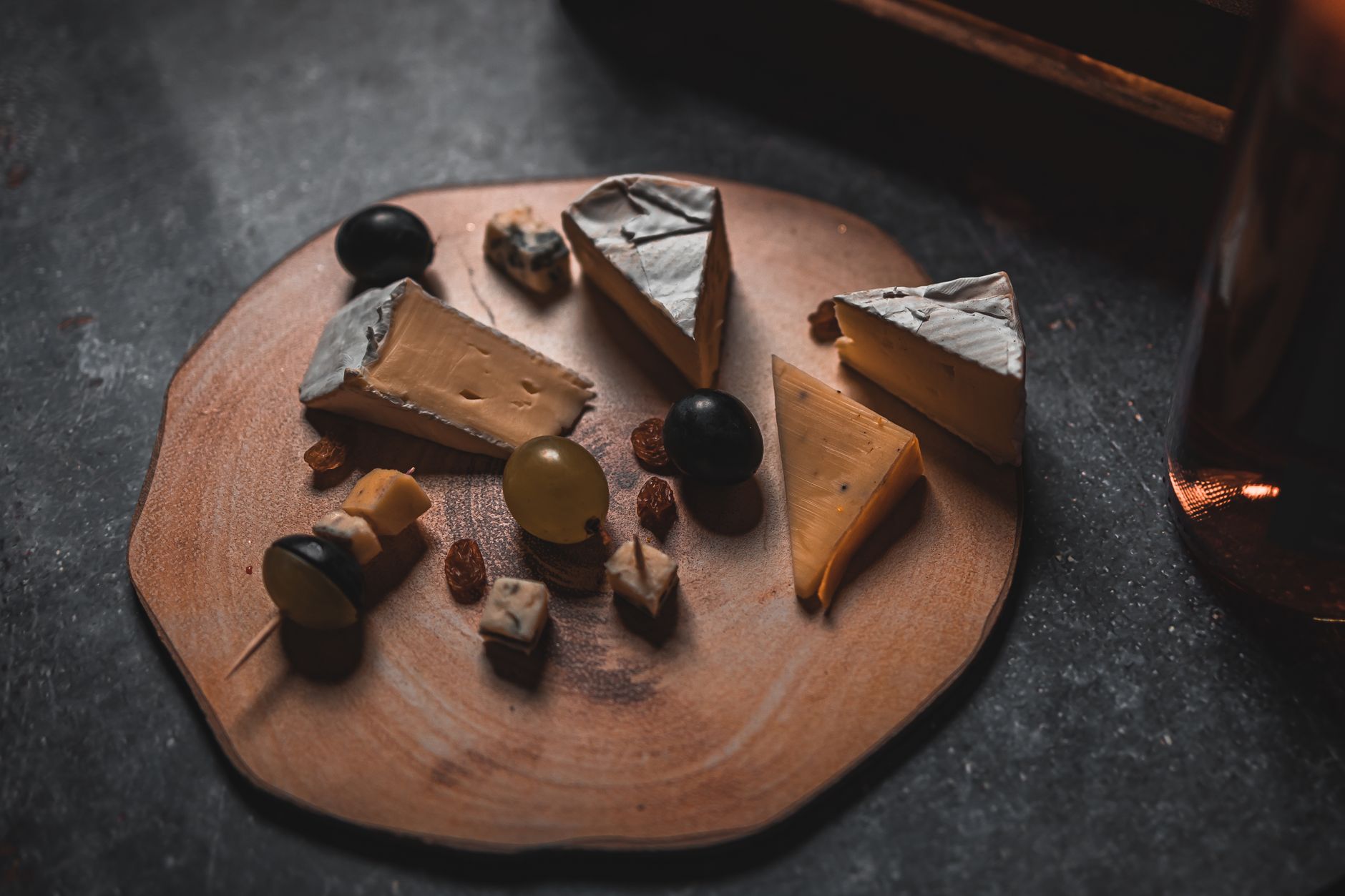
Trentingrana is the great hard cheese of Trentino, a mountain relative of grana. It is made only with raw, partly skimmed cow's milk from the province of Trento, with salt and rennet, with no preservatives or additives. Its rules are stricter than those of other cheeses in the same family: for example, the use of lysozyme is not allowed.
It ages for a long time, usually between 18 and 20 months, and can go even longer. The paste is grainy and breaks into flakes under the knife, with a fine balance between sweet and savoury. It is enjoyed in flakes as an aperitif, grated over pasta or on a board together with the other local cheeses.
2. Puzzone di Moena DOP
Puzzone di Moena DOP, known in dialect as Spretz Tzaorì (meaning savoury cheese), is one of the most distinctive cheeses of the Dolomites. It is made with raw cow's milk in the valleys of Fassa, Fiemme and Primiero. It is a semi-hard cheese and its name comes from its intense, penetrating aroma, strong from the very first sniff.
That strong character comes from the washed rind: during ageing, which lasts at least 90 days, the wheels are washed every week with warm water. This forms a coating that helps the inside ripen and gives the paste a full, savoury flavour with a slightly bitter finish. It is enjoyed on its own, on a board or melted into polenta.
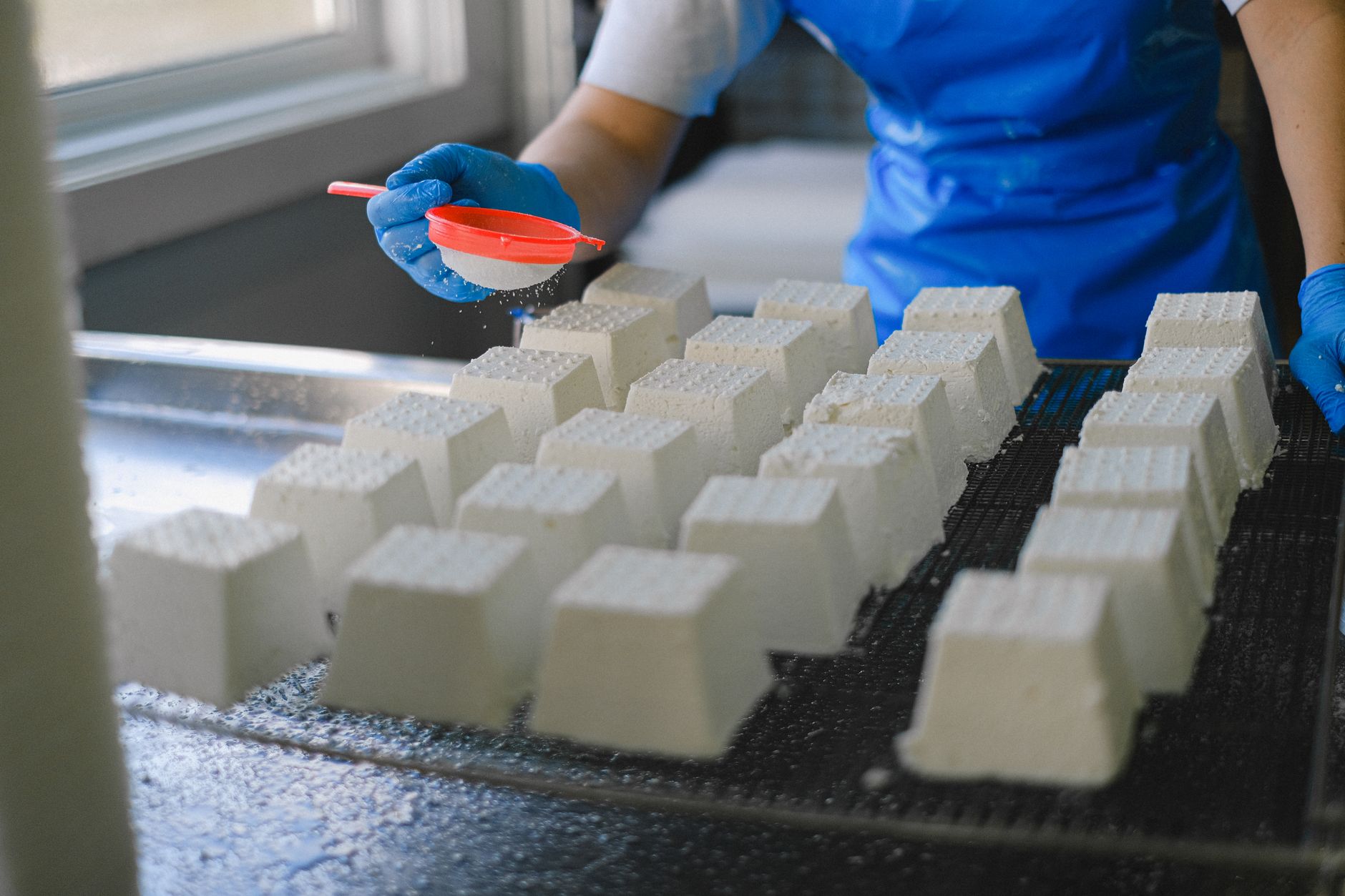
3. Vezzena
Vezzena is one of the oldest cheeses of Trentino: the plateau it takes its name from was already famous for the quality of its pastures centuries ago. It is made on the plateaus of Vezzena, Lavarone, Folgaria and Luserna, with raw, partly skimmed cow's milk. It is a semi-cooked, semi-hard cheese that becomes drier with ageing and is also excellent for grating.
You can find it at different ages: when younger it is soft and sweet, while the old version (around 18 months) and the extra-aged one (around 24 months) develop a strong taste and intense aromas. The finest version is the malga one, made in summer with the milk of cows out at pasture. It is enjoyed on a board or, when aged, grated over first courses.
4. Spressa delle Giudicarie DOP
Spressa delle Giudicarie DOP is a historic cheese of western Trentino: the first records of its production go back centuries. It is made with raw, partly skimmed cow's milk, mostly from the Rendena breed, in the Giudicarie valleys, in Val Rendena and in Val di Ledro, partly inside the Adamello Brenta Nature Park.
It is a semi-hard cheese, with a compact and elastic paste and small scattered eyes. The name comes from the dialect word spress, meaning "squeezed": in the past the milk was left to rest and most of the fat was removed and used to make butter. It was the lean cheese of farmers, and today it is a speciality to enjoy on a board or in mountain dishes, such as polenta macafana.
5. Casolet
Casolet is a small fresh cheese typical of the Val di Sole, the Val di Rabbi and the Val di Pejo. It is made with whole cow's milk, has a soft and tender paste and is enjoyed fresh or barely matured. Its name comes from the Latin caseulus, meaning "little cheese".
It used to be made only in autumn, when the herds had already come down from the summer pastures and there was little milk: it was the family cheese, small and versatile, to be eaten at home during the winter. Today a selection of producers still makes it with raw milk, with a maturing of at least twenty days. On the palate it is soft, milky and herbaceous, with a taste that goes from slightly sour to sweet.
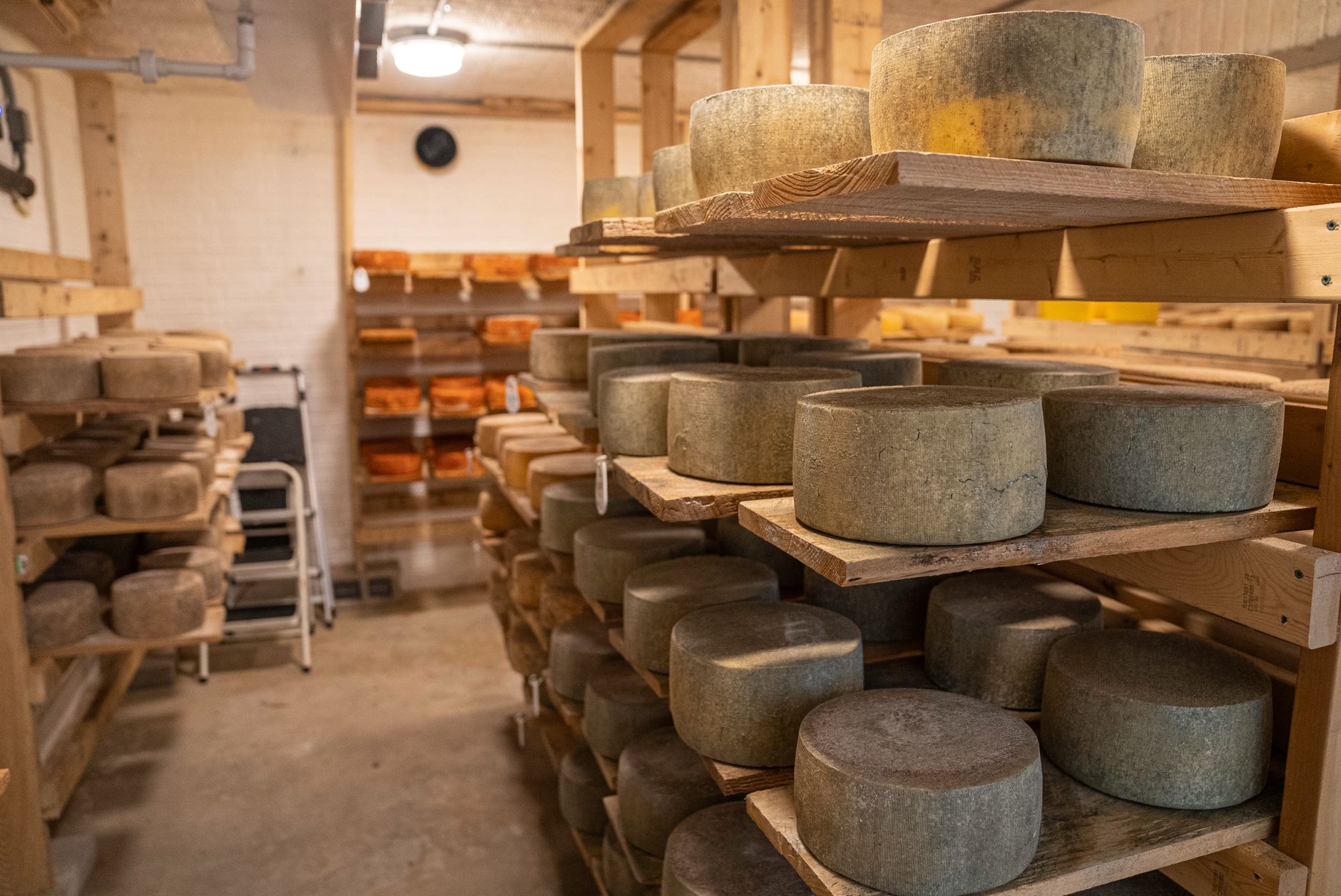
6. Tosèla
Tosèla is the fresh cheese par excellence of Primiero. It is made with freshly milked cow's milk and it is not aged: it comes directly from the fresh curd, so as to keep all the fragrance of the milk and the mountain herbs intact. It has a compact and soft paste, white in colour, and it should be eaten a few days after it is made.
It is not eaten on its own: Tosèla is cut into slices about one centimetre thick and cooked in a pan, salted and enriched with melted butter. It is served hot, often with polenta. It is a simple, comforting dish, the kind that tastes of home and of the mountains.
Where to taste the cheeses of Trentino
The most authentic place to taste these cheeses is a malga (a mountain dairy) or a mountain rifugio. Here the milk is worked just steps from the pastures, the wheels ripen on site and you can taste the cheese freshly made, perhaps melted into polenta. In summer many malghe open their doors to visitors and sell their cheeses directly: it is the best way to get to know them. If you would like to find out where to go, read our guide to the mountain huts and dairies of Trentino.
We at Italy Holiday welcome guests in the very valleys where these flavours are born, in homes designed to make you feel at home from the very first moment. By staying in our areas you have the dairies, the markets and the mountain pastures within easy reach, and you can taste the cheeses of Trentino day after day. Find out where to stay and pack your bags: the flavours of Trentino are waiting for you.
Digital partner for holiday-home owners since 2022.