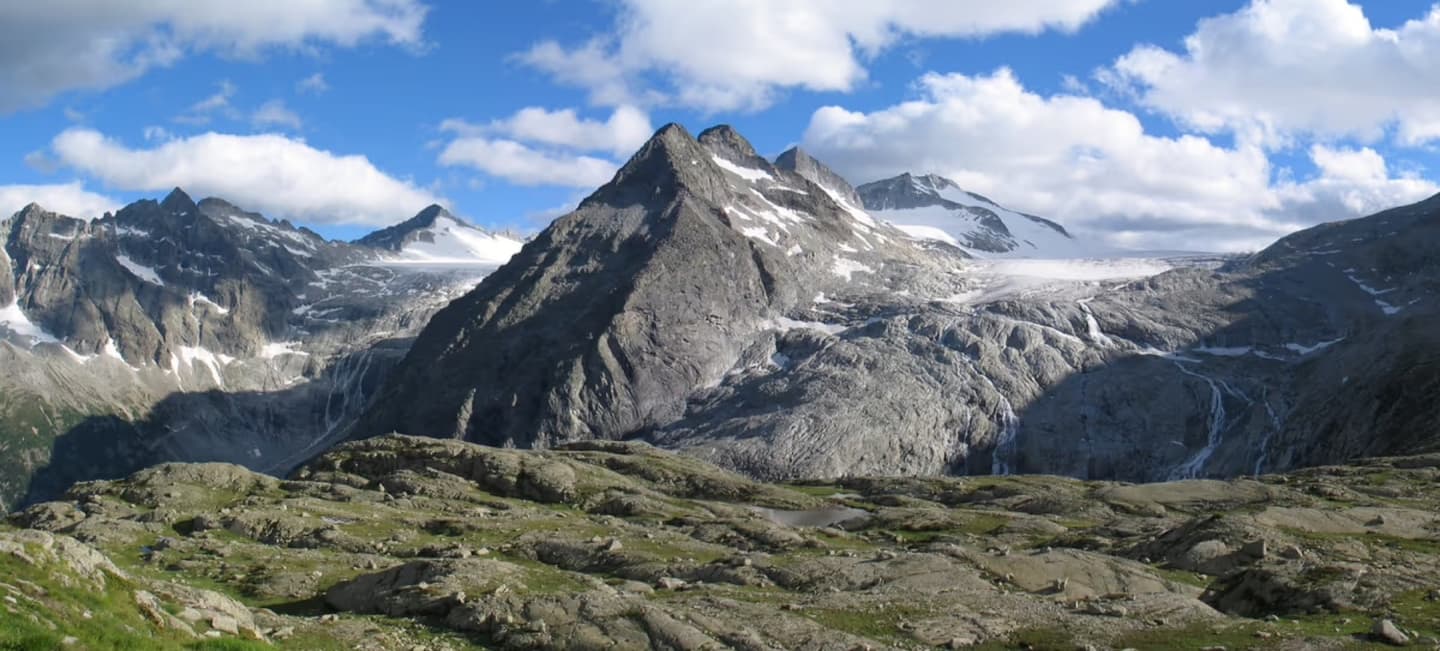
What to do on the Alpe Cimbra: a mountain lake, Great War forts and nature
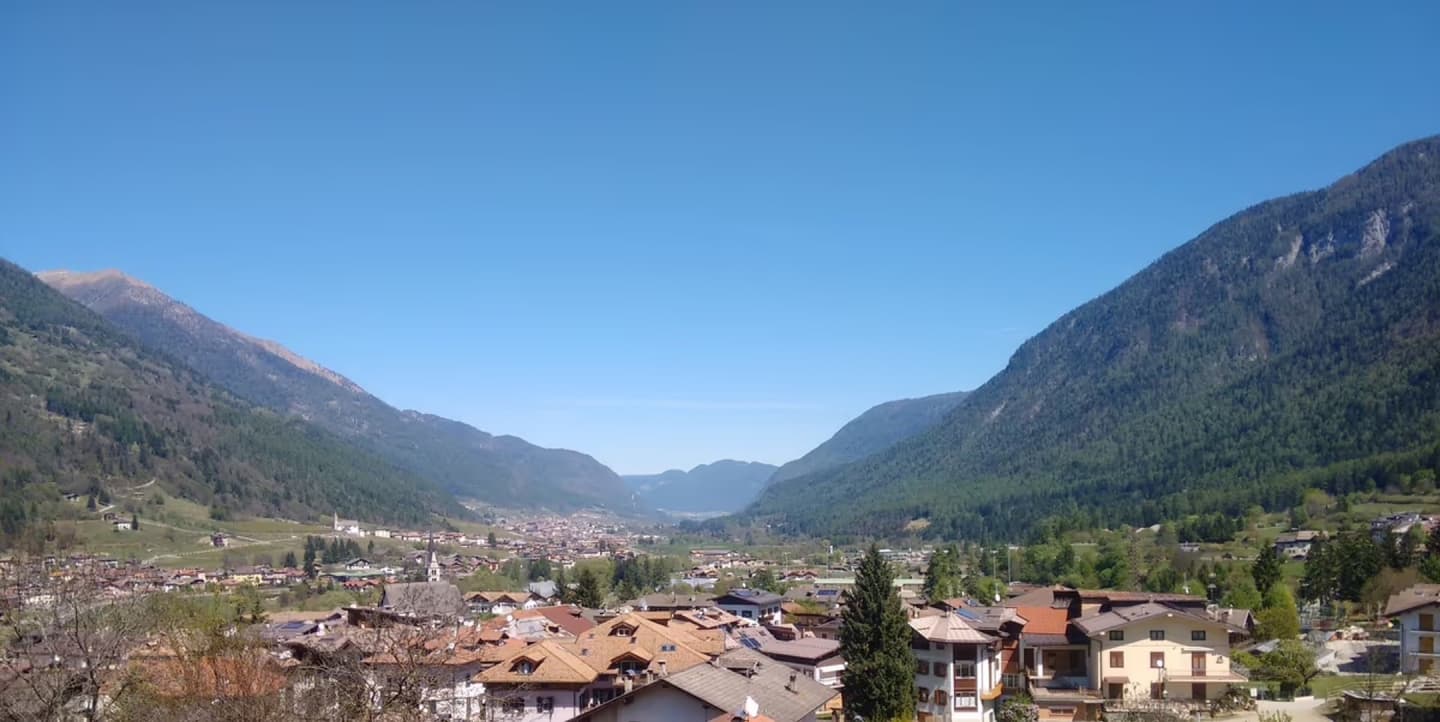
The Alpe Cimbra is the green plateau that opens up above the Valsugana, just a step from the lakes but with the fresher air of the mountains. It is a world of meadows, thick woods and quiet villages like Folgaria, Lavarone and Luserna, where a small clear lake, the great forts of the Great War and an ancient language still spoken here all live side by side. In this guide we tell you what to do on the Alpe Cimbra and what to see nearby, based only on places we know and that are truly worth visiting. We at Italy Holiday have been welcoming guests in this area for a long time, and this is the itinerary we would suggest to a friend.
What to see and do on the Alpe Cimbra
The beauty of the plateau is that it brings together different things within a few kilometres: nature, history and tradition. You climb up from the lakes of the Valsugana and in a short time you find yourself among woods and mountain pastures, between forts that tell of the past and easy paths for the whole family. Here are the places we recommend, from the heart of the plateau down to the closest spots in the valley.
1. Alpe Cimbra, the plateau among meadows, woods and forts
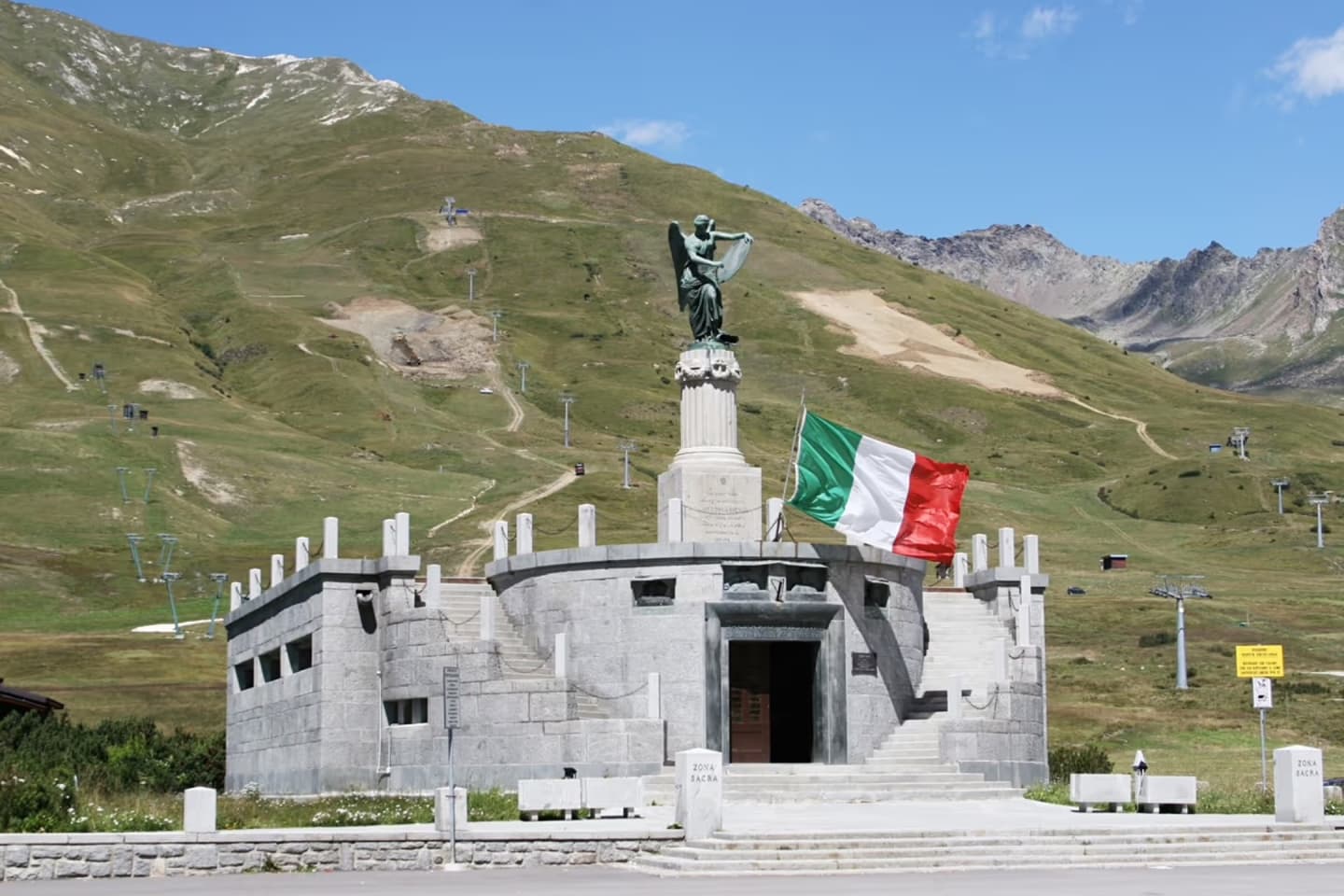
The Alpe Cimbra is a broad plateau in the south-east of Trentino, taking in Folgaria, Lavarone, Luserna and the Vigolana. It lies at an altitude of roughly 1,000 to 1,800 metres, among alpine meadows, forests and small lakes, with the First World War forts popping up here and there on the heights.
It is a destination for every season. In summer it offers walks for families and over a hundred kilometres of cycling routes, while in winter it becomes a ski area with downhill slopes and long loops for cross-country skiing. The rare Cimbrian language and the tasty Vezzena cheese also survive here. From the Valsugana you climb up to the plateau by car in a short time, and it is the perfect way to combine the lake and the mountains.
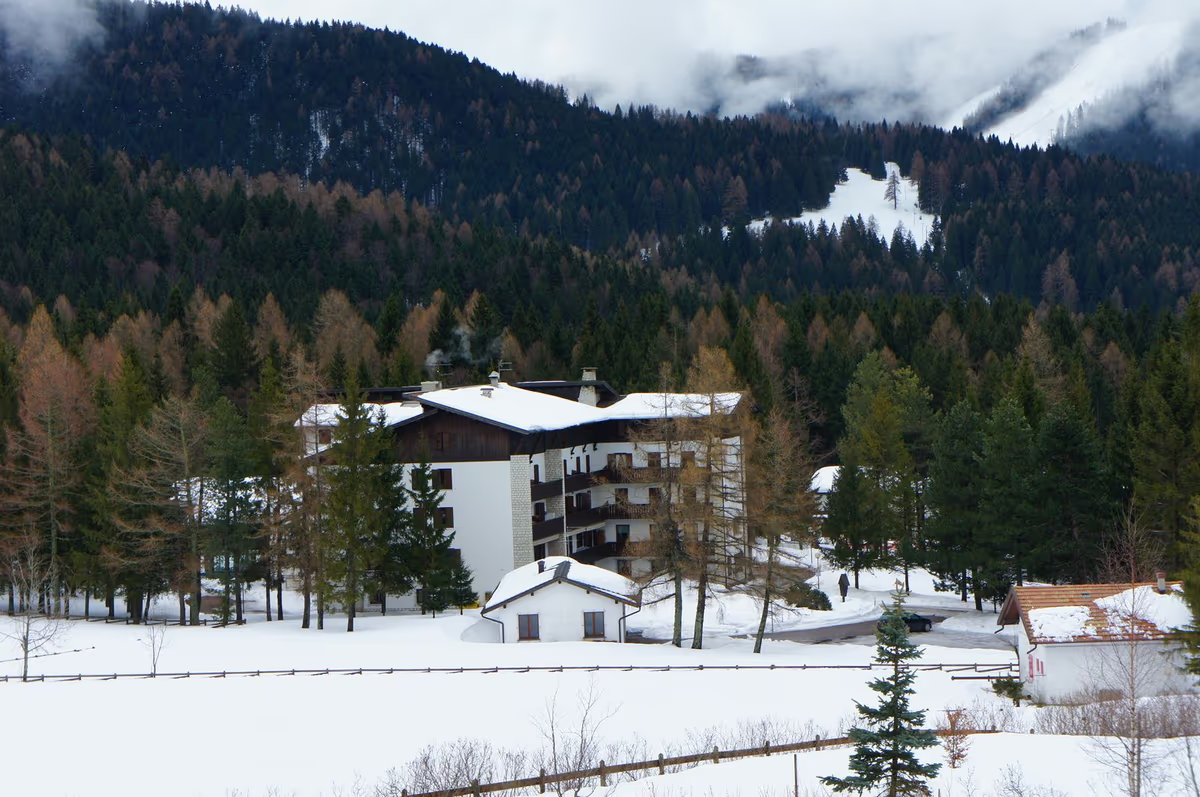
2. Forte Belvedere, the Austro-Hungarian fort of the Great War
Forte Belvedere, built by the Austro-Hungarian army between 1908 and 1912 on the Lavarone plateau, is one of the best-preserved forts in Trentino. It stands on a rocky spur and today hosts a modern museum dedicated to the First World War, spread over three floors of the main barracks.
The visit takes you from the history of the fort and the fortified front of the plateau to the life of the soldiers and the great events of the conflict, among artefacts and multimedia displays. It is a striking place, where the stone and the views tell of a past that is not far away. As it is a museum, it is worth checking the current opening hours on the official site before going.
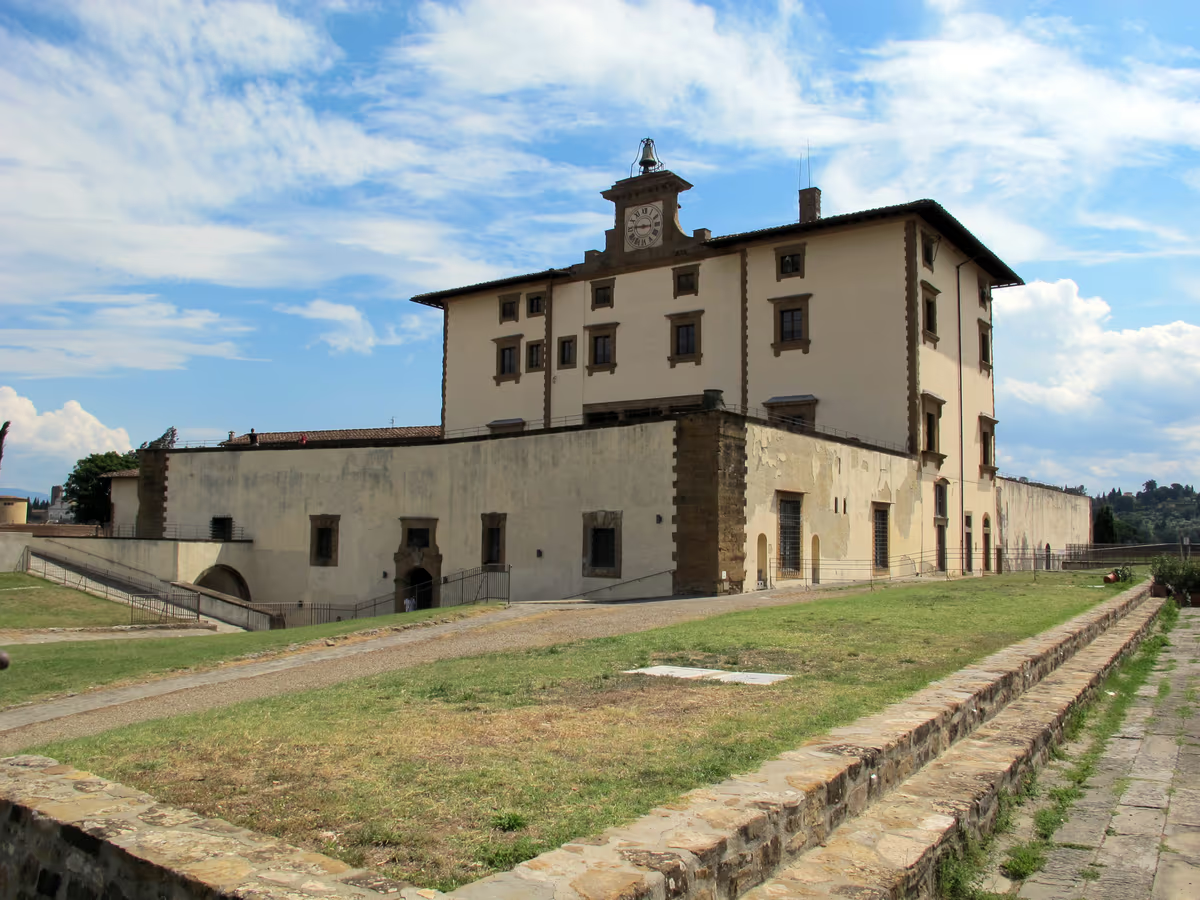
3. Luserna, the village where Cimbrian is still spoken
Luserna is a small mountain village, at about 1,300 metres of altitude, keeper of a rarity: Cimbrian, an ancient language of Germanic origin, related to the Bavarian dialects, which is still spoken here. It is one of the smallest linguistic minorities in Italy, born from groups of settlers who arrived many centuries ago from German-speaking lands.
Walking through Luserna means entering a world apart, made of stone houses, signs in two languages and carefully kept traditions. The village is an ideal starting point for discovering the forts and paths of the plateau, and for getting a close look at the history of this border community. It is a quiet stop, perfect for those who love authentic places.
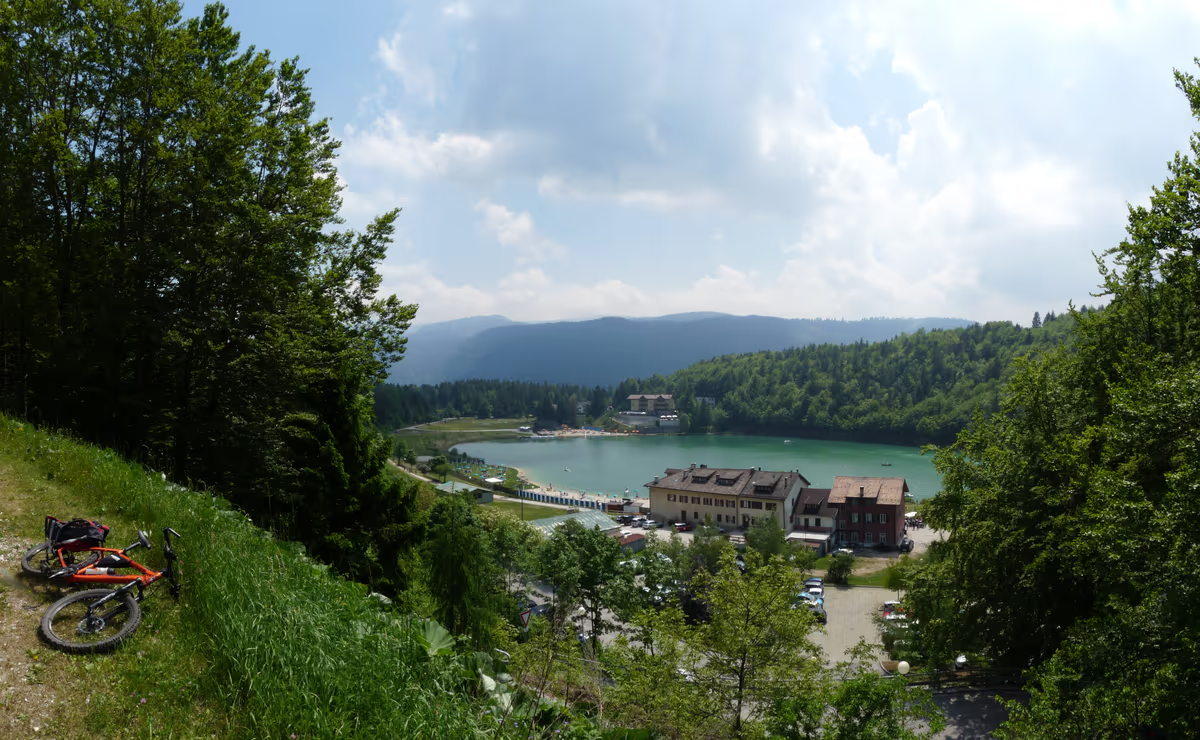
4. Lago di Lavarone, clear water among the mountain woods
The Lago di Lavarone is a small mountain lake with clear waters, of karst origin, on the Lavarone plateau at about 1,080 metres of altitude. It is surrounded by woods and has two equipped beaches and an easy path along the shores, perfect for a peaceful walk.
Its waters hold the Blue Flag and are safe for swimming in summer, thanks to the mild climate and the purity of the water. Between easy walks and pedal boats, it is an ideal destination for families looking for fresh air and quiet. The best period runs from June to early September, when the lido services are open. It is easily reached by car from the other villages of the plateau.
5. Parco Palu, the big play park among the meadows
In Lavarone, in the Cappella locality, the Parco Palu awaits you, a large park set among the mountain meadows, one of the most extensive in the Alps. It is a fenced and well-kept green space, designed for children, with slides, suspended paths, a small wooden farm, a maze and a little pond.
It is a place where the youngest play safely while the adults relax on the meadows, with an open view of the mountains around. Entry is free and the spaces are also suitable for strollers. It is the perfect stop for a day with the family, to pair with a walk by the lake or a visit to one of the nearby forts.
6. Lago di Levico, a fjord in the heart of the Valsugana
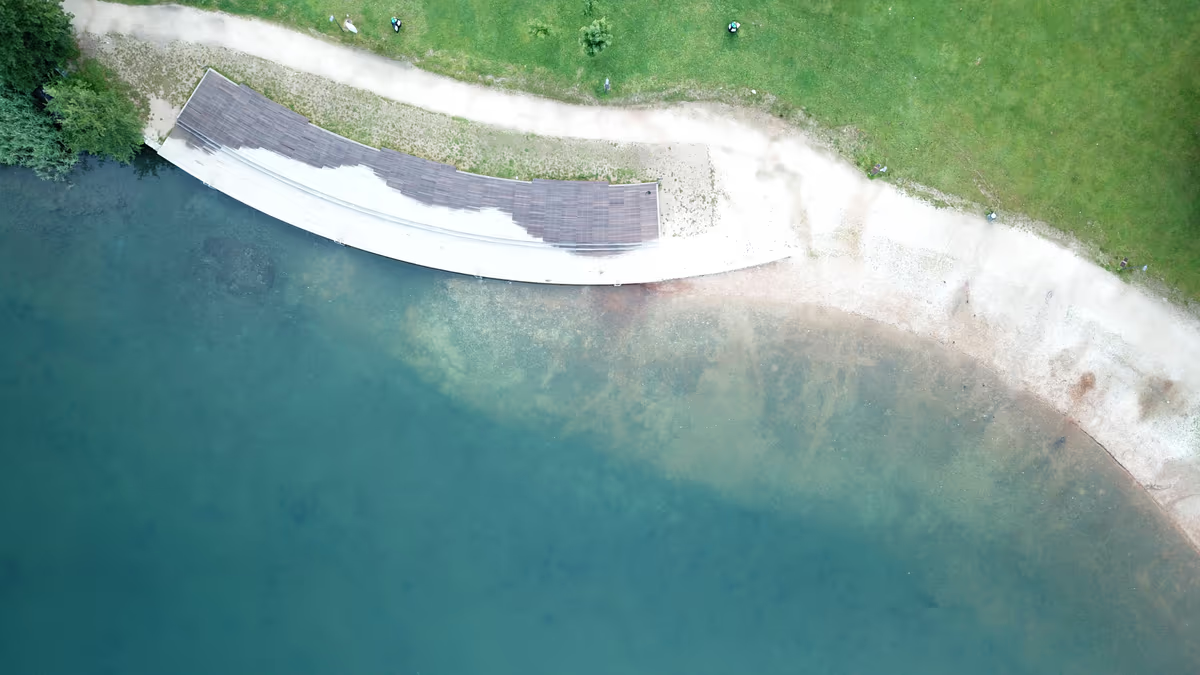
Coming down from the plateau towards the valley you reach the Lago di Levico, near Levico Terme. It has a long, distinctive shape that recalls a fjord, and it is surrounded by wooded hills. It is one of the Trentino lakes with the Blue Flag: its waters are among the mildest in the area and its shores are gentle, perfect for swimming, walking and cycling with the family.
Here you find free tree-lined beaches, swimming areas and easy paths that run close to the water. The ideal season runs from late spring to early autumn, with swimming roughly from May to September. It is reached in a few minutes coming down from the plateau, and it is the perfect way to combine the mountains with a day on the water.
7. Parco secolare degli Asburgo, a spa garden from another era
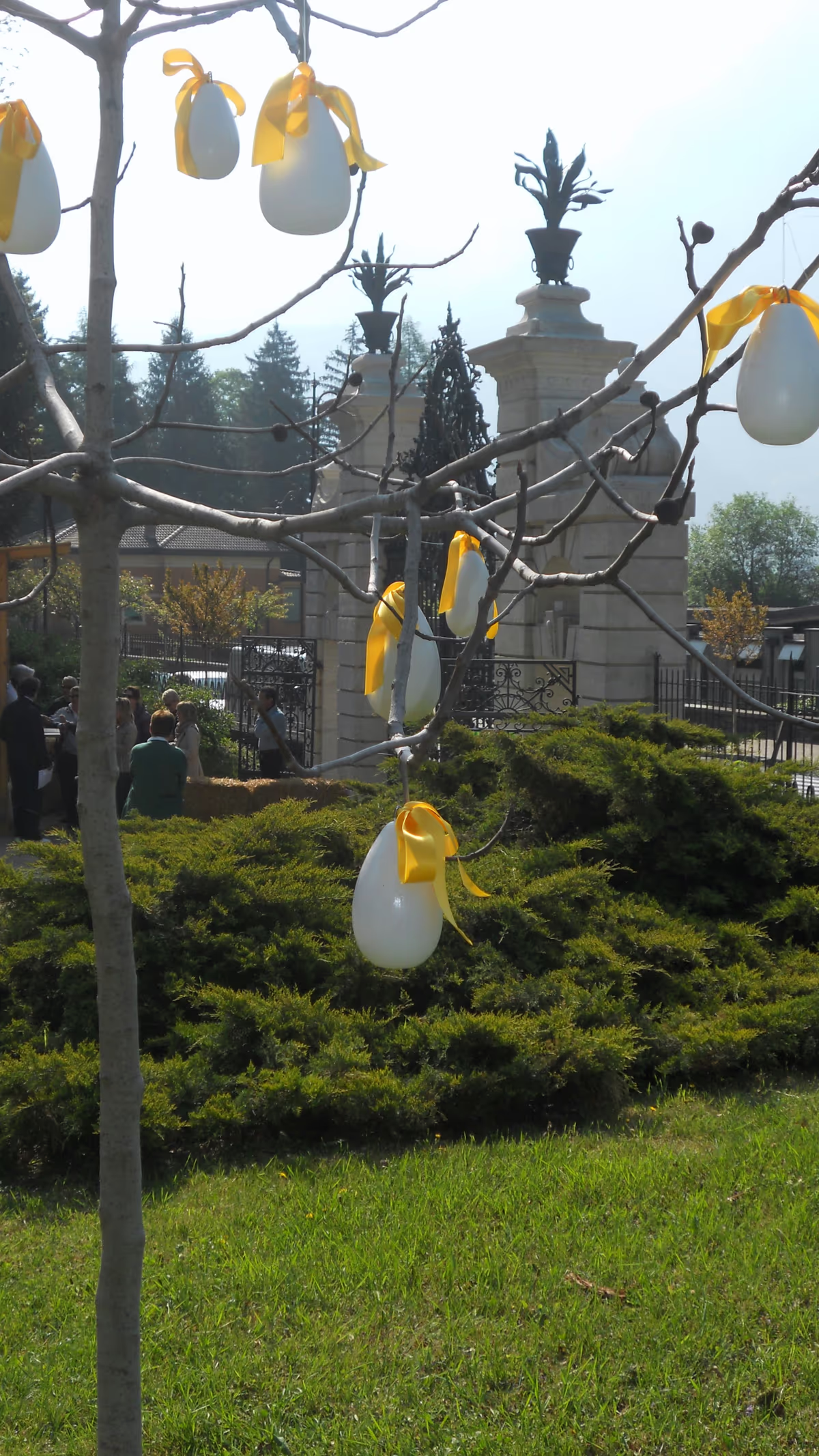
In Levico Terme, at the foot of the plateau, the Parco secolare degli Asburgo, a centuries-old Habsburg spa garden from the early twentieth century, lies hidden, laid out in the Habsburg era. Among its paths grow centuries-old beeches, sequoias, magnolias and Himalayan cedars, over a hundred different species of trees, alongside the elegant Villa Paradiso.
It is one of the most important historic parks in Trentino, a quiet and romantic place to walk among rare trees, flower beds and Belle Epoque architecture. It is pleasant in every season, and it pairs well with a day at the nearby Lago di Levico. It is easily reached from the centre of Levico Terme.
8. Lago di Caldonazzo, the warm lake of the Valsugana
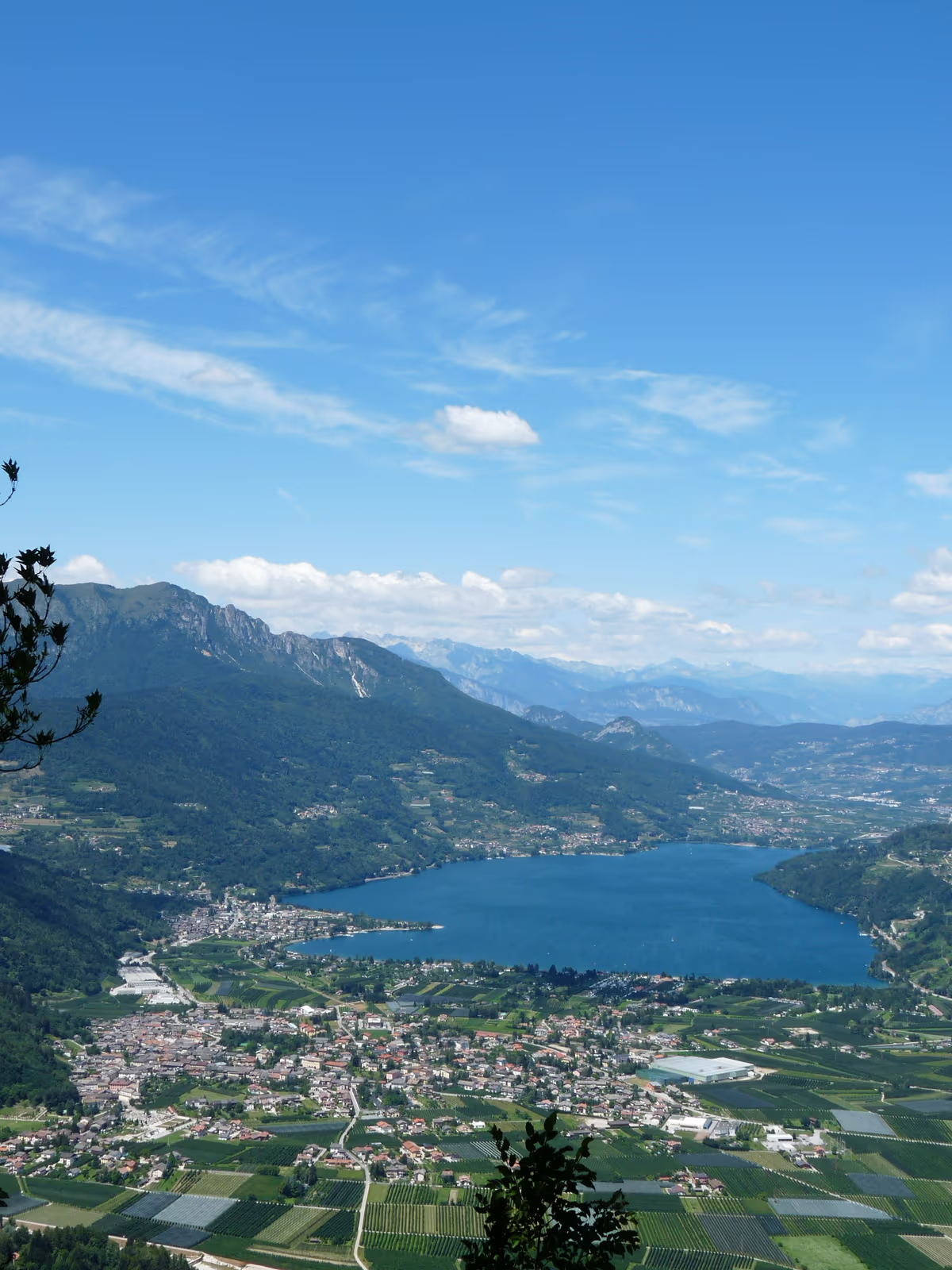
A little beyond Levico the Lago di Caldonazzo awaits you, the large stretch of water at the foot of the plateau. Its most loved feature is the temperature: it is one of the warmest lakes in Southern Europe, with waters that in summer come close to 24 degrees, perfect for relaxing swims and whole days on the beach with the family.
Its shores are awarded the Blue Flag, and the water is not just for swimming: here you can sail, do SUP, canoe and even water-ski. The swimming season runs roughly from May to September. From the plateau you reach it in a short time by car, and it is the perfect counterpoint to a day up high.
A practical tip before you set off
Many of these places change their hours and services depending on the season, and some, like Forte Belvedere, are visited as museums with precise opening times. Before planning your day, check the current hours on the official sites, so you avoid surprises and always arrive at the right moment.
Where to stay near the Alpe Cimbra
The best way to experience the Alpe Cimbra is to have a comfortable base among the lakes of the Valsugana, from which you can climb up to the plateau for the day and return in the evening close to the water. With Italy Holiday you find well-kept stays in the area of the lakes of Caldonazzo, Levico and Lavarone, designed for families and travellers who are looking for nature, good air and the mountains within easy reach.
Discover where to stay near the Alpe Cimbra and book your stay with Italy Holiday: your ideal base among the lakes of the Valsugana, the forts of the plateau and the woods of the Trentino mountains.
Digital partner for holiday-home owners since 2022.