Trento and the Council: the 16th-century city of churches and frescoed palaces
There is a reason the name of Trento is known across Europe: between 1545 and 1563 this Alpine city hosted the Council of Trent, one of the most important assemblies in the history of the Church, lasting eighteen years and divided into twenty-five sessions. For almost two decades cardinals, bishops and theologians from half the continent gathered here, and the city filled with frescoed palaces, Renaissance churches and noble residences. That era left behind a compact and beautiful old town that today you can cross on foot in just a few minutes. In this guide we take you through the places of the Council and of 16th-century Trentino, telling you only what we know and what is truly worth seeing. We at Italy Holiday have been welcoming guests to this area for years, and this is the itinerary we would suggest to a friend to discover the Trento of the Council.
The places of the Trento of the Council
Everything can be done on foot, in an old town that holds together the main square, the churches of the sessions, the streets of the painted palaces and the castle of the prince-bishops. Here are the stops we recommend, in order of closeness to the heart of the city.
1. Piazza del Duomo
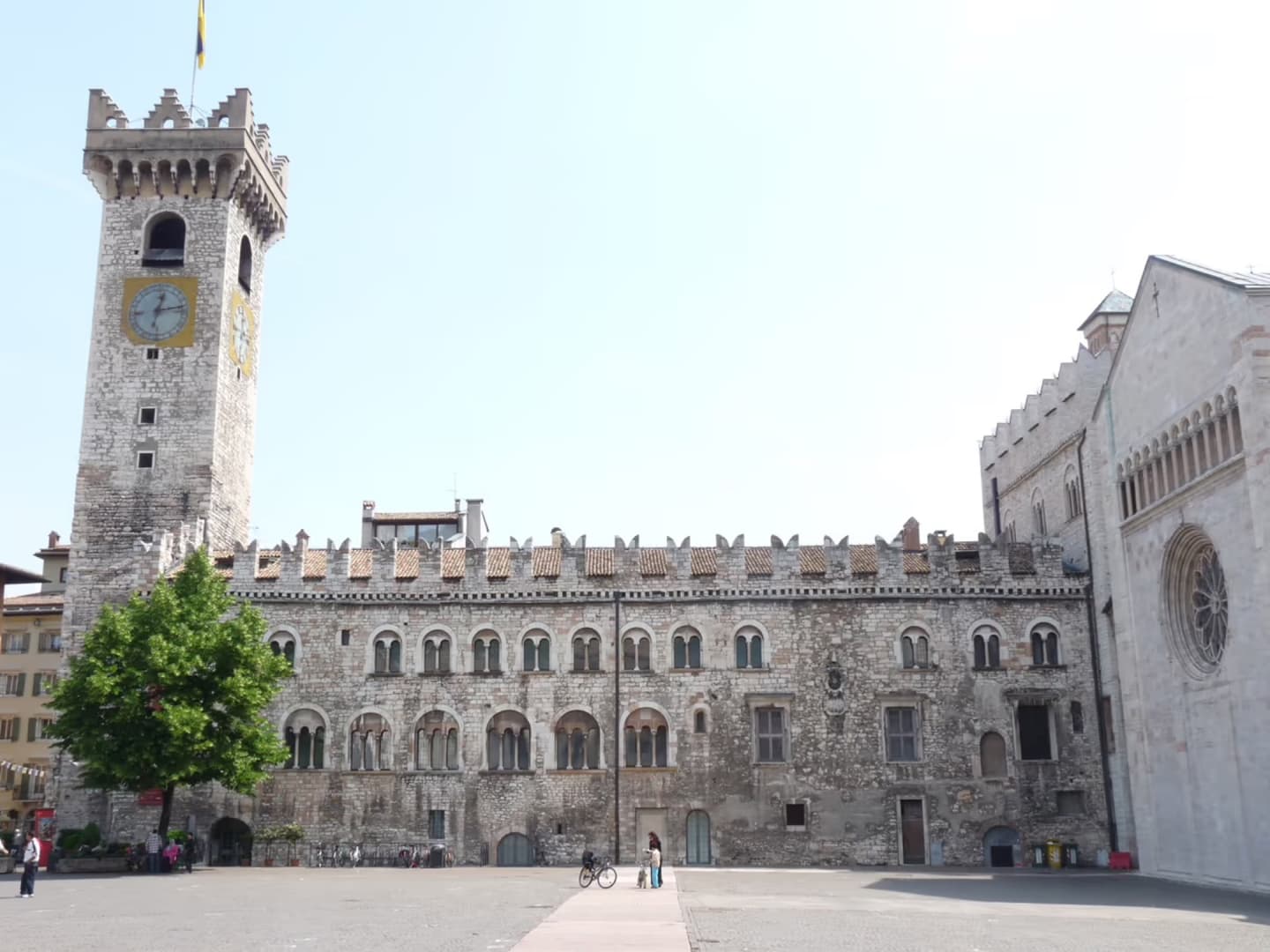
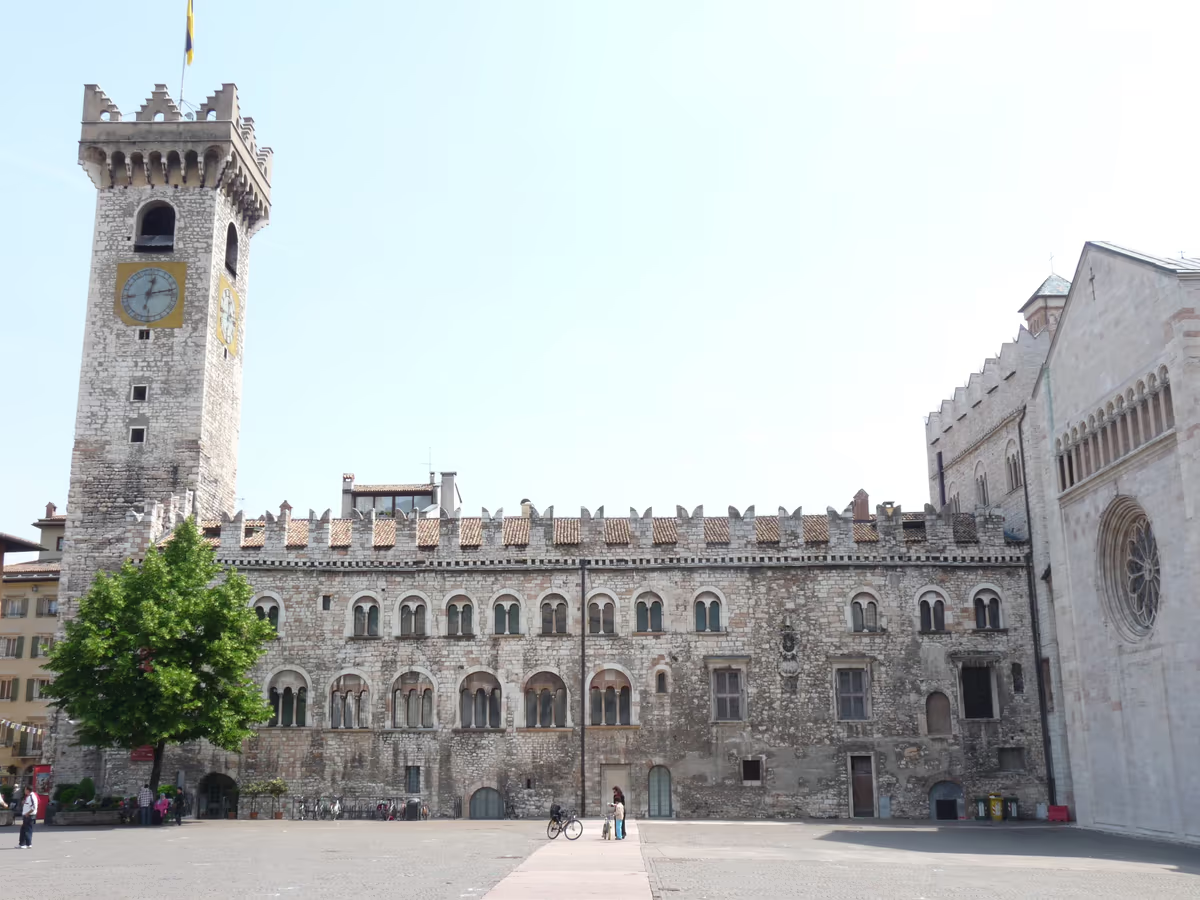
Piazza del Duomo is the heart of Trento and the place to start. It is a medieval square considered one of the most beautiful in Italy, framed by the Cathedral of San Vigilio, the Palazzo Pretorio, the Civic Tower and the frescoed Cazuffi-Rella houses. At its centre stands the elegant Neptune Fountain, an 18th-century work, and all around it open Renaissance palaces and glimpses of the mountains.
It is here that you immediately feel the legacy of the Council. The cathedral where the solemn sessions were held faces this square, and the palaces around it lodged cardinals and prelates arriving from all over Europe. Leave the car and walk: the square is a few minutes from the station and is the natural starting point for everything else.
2. Cattedrale di San Vigilio
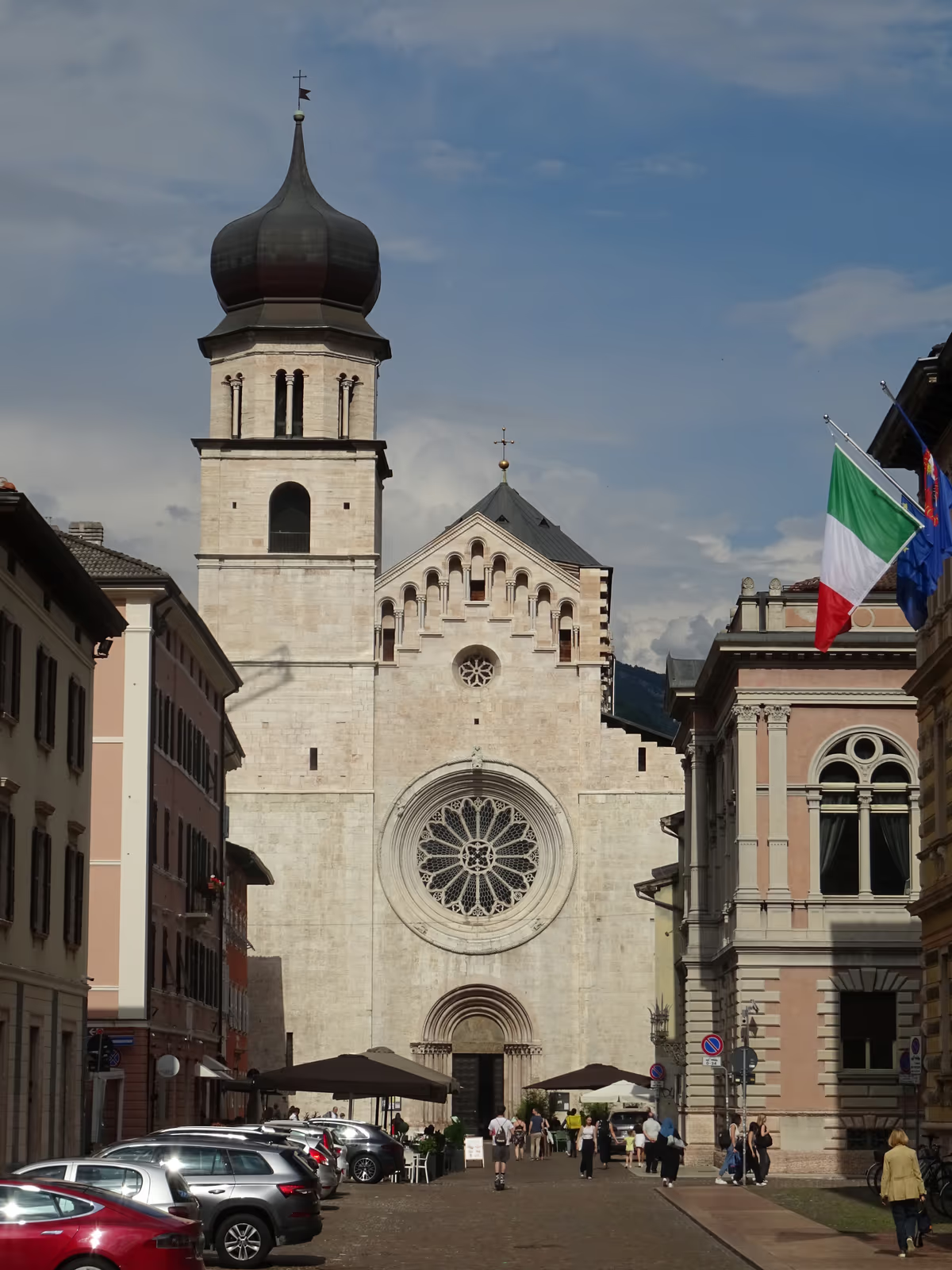
The Cattedrale di San Vigilio is the Romanesque church that dominates the square. The present building was begun in 1212, over an older early Christian basilica linked to the city's patron, San Vigilio. Inside you will find three naves, a rose window in the shape of the Wheel of Fortune, medieval frescoes, a Baroque high altar and an evocative underground basilica.
It is the symbolic place of the Council: here, on 13 December 1545, the first session opened, and between 1545 and 1563 the cathedral hosted the solemn sessions of the assembly. It was this event that carried the name of Trento across Europe. It stands right on the main square, so it is the natural stop straight after arriving in the centre.
3. Chiesa di Santa Maria Maggiore
A few steps from the cathedral, facing a small pedestrian square, stands the Renaissance church of Santa Maria Maggiore. It was built between 1520 and 1524 at the wish of the prince-bishop Bernardo Clesio and preserves valuable works of art, including an altarpiece by Moroni and an elegant marble organ loft.
It is the other great church of the Council. Important meetings and general congregations were held here, especially during the third phase of the assembly, between 1562 and 1563. Together with the cathedral, Santa Maria Maggiore tells better than any other place how the whole city was involved in those eighteen years of work.
4. Case Cazuffi-Rella
Back in Piazza del Duomo, look up towards the Case Cazuffi-Rella, two adjoining 16th-century buildings with entirely painted facades. Their frescoes are a rare example of open-air Renaissance decoration, created by the painter Marcello Fogolino between 1531 and 1536, with scenes from classical mythology and allegories of Virtue, Time and Fortune.
They are one of the most photographed details of the square and reflect the cultured, refined taste of the city in the years of the Council, when art celebrated classical culture alongside religious themes. You will find them right beside the cathedral, perfect to admire calmly while sitting in the square.
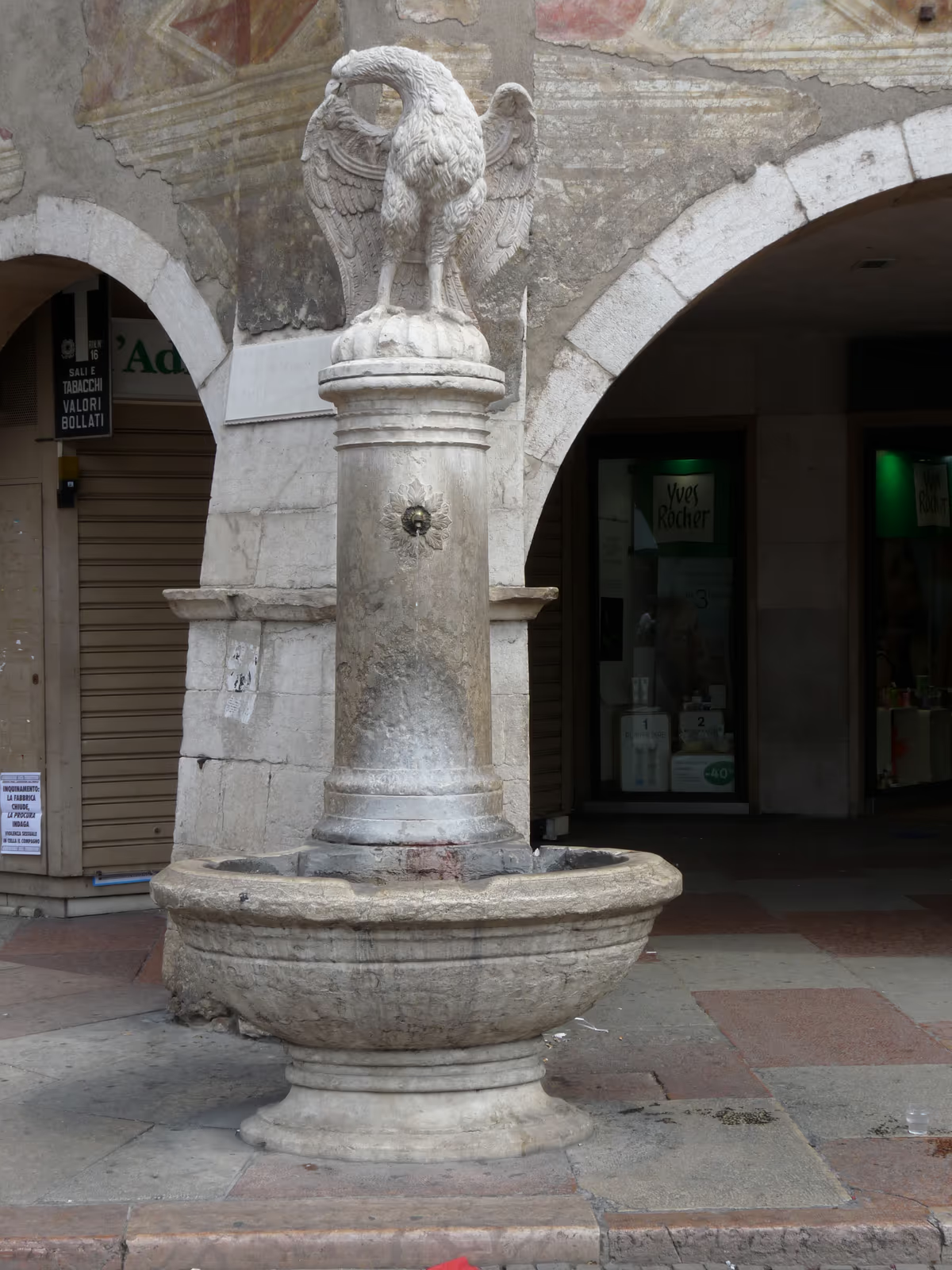
5. Via Belenzani
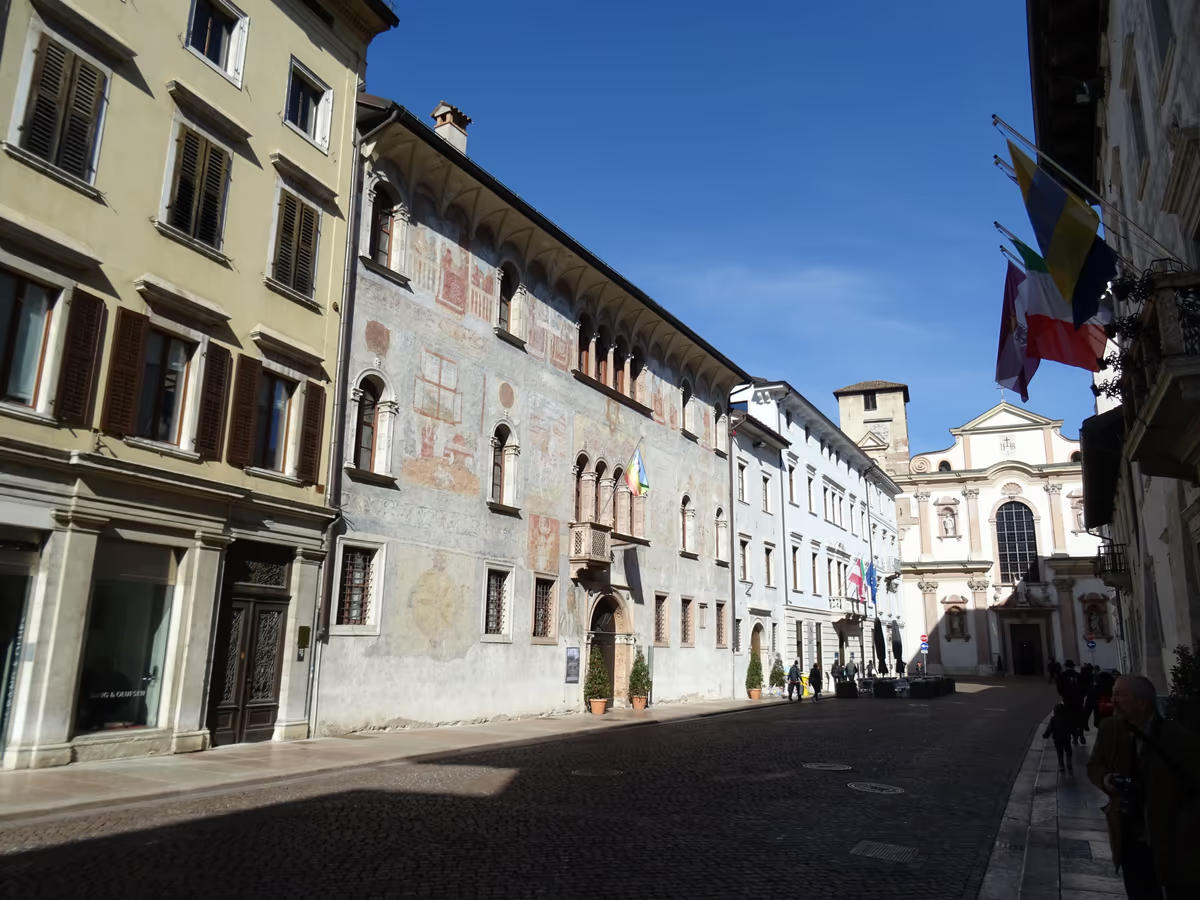
A few steps from the square opens Via Belenzani, one of the most elegant streets in Trento and a true gallery of Renaissance palaces. The street is lined with Venetian-style residences with frescoed facades, painted coats of arms and details that at every step tell of the city's wealth in the 16th century.
It is the ideal walk to understand the Trento of the Council beyond the churches: many of these palaces hosted the cardinals and prelates who arrived for the assembly. Walk with your head up, because the beauty here is all on the painted facades. The street connects the old town to Piazza del Duomo, so it is a natural part of the itinerary.
6. Palazzo Geremia
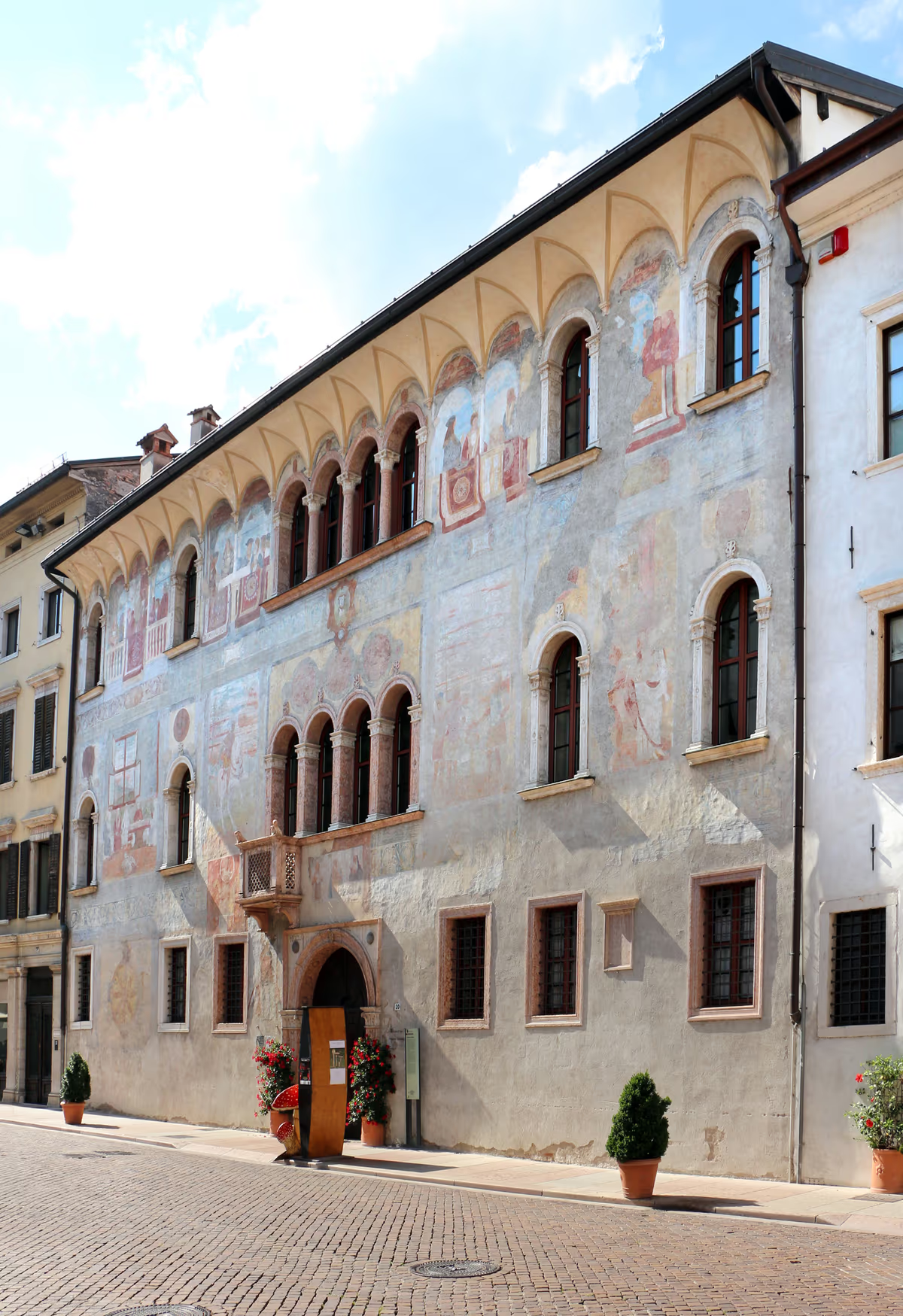
Along Via Belenzani stands the Palazzo Geremia, one of the finest noble residences in Trento. It was built around 1500 for the merchant Giovanni Antonio Pona and today is the seat of the City Council. Its frescoed facade celebrates the visit of Maximilian of Habsburg to the city in 1501, and the interiors preserve painted halls with their original wooden ceilings.
It is a perfect example of the Trentino Renaissance palace: the painting does not stay inside the rooms but spills out onto the street, turning the facade into a story for those passing by. You will find it right along the street of the frescoed palaces, a few steps from Piazza del Duomo.
7. Castello del Buonconsiglio
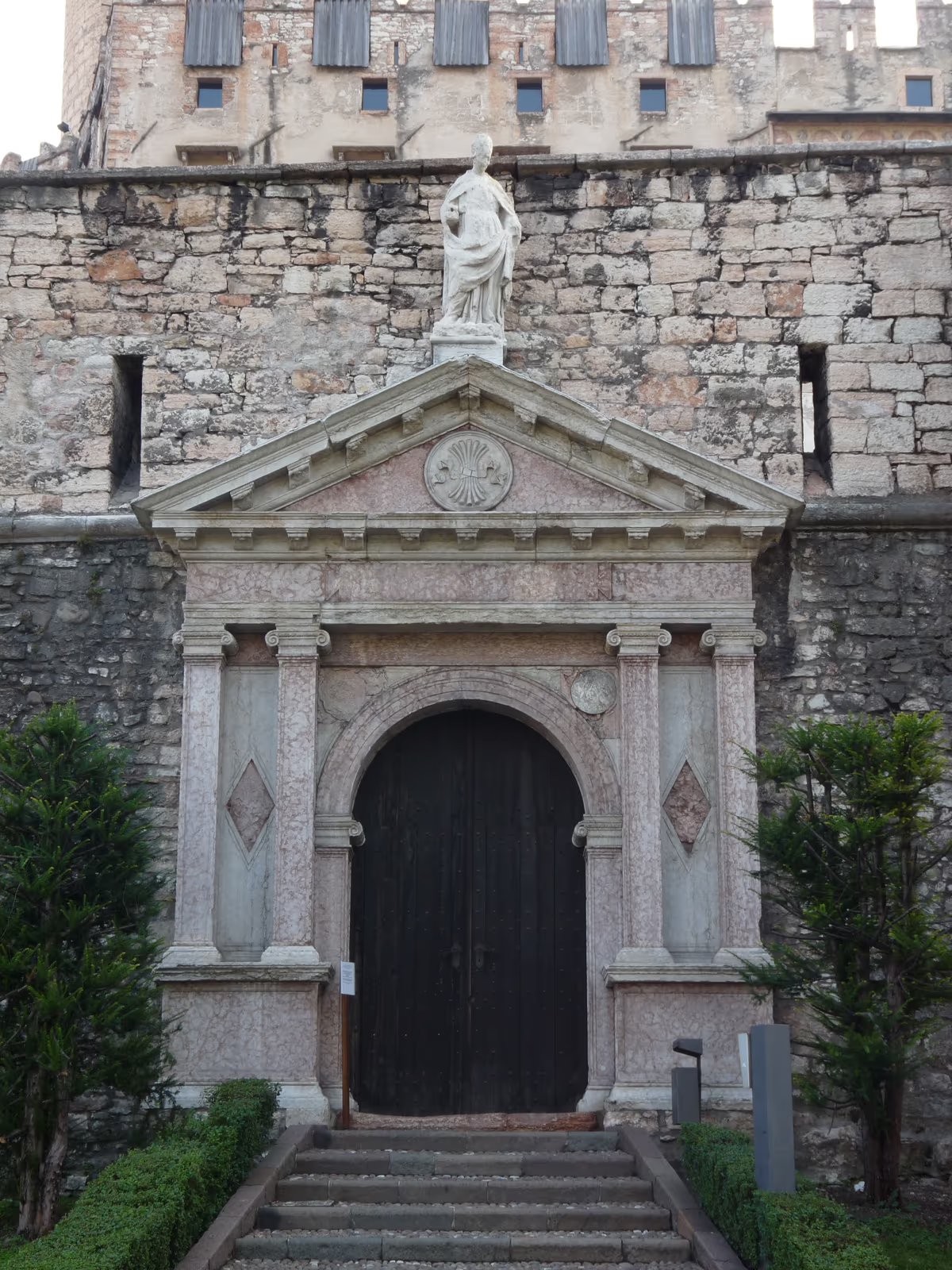
The Castello del Buonconsiglio is the largest monumental complex in the region and, for centuries, was the residence of the prince-bishops of Trento. It rises on a small hill at the edge of the centre and brings together the medieval Castelvecchio, the Renaissance Magno Palazzo and the famous Torre Aquila, among frescoes, medieval codices and rich collections of art and archaeology.
The Magno Palazzo was commissioned by the prince-bishop Bernardo Clesio and decorated in the 1530s by great artists such as Romanino, Dosso Dossi and Fogolino. In the years of the Council the cardinals Cristoforo and Ludovico Madruzzo lodged high-ranking prelates here and held receptions and banquets among the halls and gardens of the castle. It is reached on foot in a few minutes from Piazza del Duomo.
A practical tip before you go
Many of these places change their hours and services with the season, and some require booking or a guided tour. Churches, moreover, may close during services. Before planning your day, check the updated hours and prices on the official websites, so you always arrive at the right time and visit at your ease.
Where to stay to discover the Trento of the Council
The best way to experience 16th-century Trento is to have a home of your own in the city, from which to set out on foot in the morning among churches, squares and frescoed palaces, and to which to return in the evening after a day of history and art. With Italy Holiday you will find well-kept stays in Trento and the surrounding area, designed for families and travellers seeking comfort and quiet, close both to the old town and to the valleys and lakes of Trentino.
Discover where to stay in Trento and book your stay with Italy Holiday: your ideal base for exploring the city of the Council and everything around it.
Digital partner for holiday-home owners since 2022.